
From the northern mountains to the southern Algarve, Portugal’s landscape is scattered with remarkable Roman monuments that have endured for nearly two millennia. These structures tell the story of Lusitania, a vital Roman province. Furthermore, they showcase the empire’s advanced engineering through durable bridges still in use today and the remnants of ancient cities. Exploring these sites offers a direct journey into the heart of this ancient history.
The Roman Heritage of Portugal: Must-See Archaeological Sites
Archaeology enthusiasts often call Conímbriga (Condeixa-a-Velha) the crown jewel of Portugal’s Roman ruins. As one of the Iberian Peninsula’s best-preserved settlements, it lets you walk through lavish homes like the Casa dos Repuxos (House of Fountains). There, you can marvel at intricate garden mosaics and explore city walls and public baths. The on-site Conímbriga Museum houses artifacts from excavations.
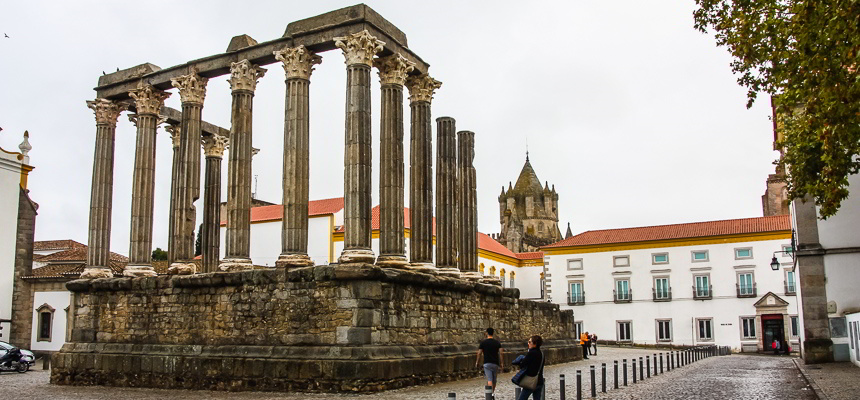
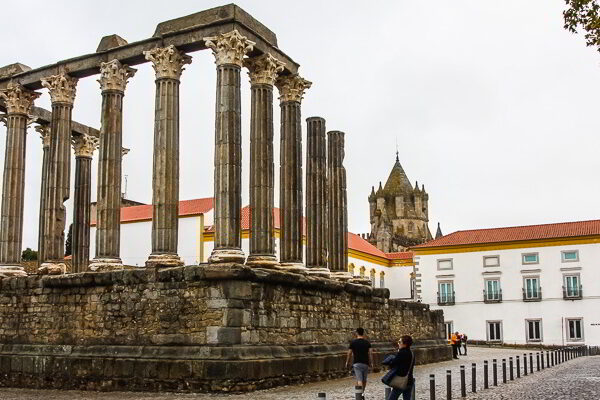
Dominating the historic center of Évora, a UNESCO site, the Templo Romano de Évora stands as one of Portugal’s most iconic landmarks. People often call it the “Temple of Diana.” Its elegant Corinthian columns survived invasions and time, especially after builders incorporated them into a medieval castle before its eventual restoration.
In the north, you will find the Ponte de Trajano in Chaves. This bridge is a masterpiece of ancient engineering. Remarkably, this nearly 2,000-year-old bridge over the Tâmega River carried car traffic until recently. It once connected the important Roman cities of Bracara Augusta (Braga) and Asturica Augusta in Spain.
On the Troia Peninsula, the Ruínas Romanas de Tróia reveal the empire’s industrial scale. This complex was the largest known center for fish-salting and garum production. Today, visitors can explore workshops, salting tanks, and worker residences.
Meanwhile, in the Algarve, the Vila Romana de Milreu near Estói showcases ancient opulence. It features beautiful floor mosaics, private baths, and a temple. Its later transformation into a Christian basilica clearly illustrates the region’s historical evolution. Authorities have classified it as a National Monument.
Where to Eat: Regional Cuisine Near Historical Areas
Exploring Roman history builds an appetite. Fortunately, you can enjoy Portugal’s rich culinary traditions near these sites. In the Centro region near Conímbriga, try Coimbra’s leitão assado (suckling pig). For a unique experience, the café Frigideiras do Cantinho in Coimbra has glass floors revealing Roman ruins below.
In the Alentejo near Évora, look for robust dishes like migas com carne de porco or açorda alentejana. For visitors to the Algarve near Milreu, fresh seafood like cataplana de marisco is king. Finally, in the Norte region near Chaves, enjoy the famous presunto and pastéis de Chaves.
How to Get Around and Visit the Roman Sites
Portugal’s Roman sites are spread across the country, so planning your transportation is key.
By Car: Renting a car offers the most flexibility, especially for rural sites like Conímbriga, Ammaia, or Tróia. This option allows you to create your own itinerary and visit multiple sites. You will generally find parking available.
By Train & Bus: Major cities like Évora, Chaves, and Faro have good train and bus links. However, reaching the actual archaeological sites often requires a local taxi or ride-share from the station.
Organized Tours: From cities like Lisboa or Porto, many operators offer day trips to major Roman sites. This hassle-free option includes valuable guided commentary.
On Foot: For sites integrated into cities, like the Temple of Évora or the Lisbon Roman Theater, walking is the best method.
Planning Tip: Always check official websites like the Direção-Geral do Património Cultural for current opening hours and ticket information before your visit.
Walking among the arches of a temple, tracing the mosaics of a wealthy villa, or standing on a bridge that carried traffic for 20 centuries connects you tangibly to the ancient world. This journey beautifully layers the past onto the present.